



Quick Summary
Third-party cookies are fading. Learn why first-party data is now essential for Google Ads performance and how businesses can adapt without complexity.
Table of Contents
Why First-Party Data Is the New Fuel for Google Ads Performance
Digital advertising is changing fast. For years, Google Ads relied heavily on third-party cookies to track users and optimize campaigns. That system is now coming to an end.
In 2026, first-party data has become the most important asset for Google Ads performance. Businesses that understand and use it correctly see better targeting, stronger results, and more reliable measurement. [Discover our Google Ads expertise]
In 2026, first-party data has become the most important asset for Google Ads performance. Businesses that understand and use it correctly see better targeting, stronger results, and more reliable measurement. [Discover our Google Ads expertise]
What Is First-Party Data?
First-party data is information you collect directly from your own audience.
This includes:
- Website form submissions
- Email subscribers
- Customer purchase data
- App usage behavior
- CRM records
Unlike third-party data, it is accurate, consent-based, and owned by you.
This includes:
- Website form submissions
- Email subscribers
- Customer purchase data
- App usage behavior
- CRM records
Unlike third-party data, it is accurate, consent-based, and owned by you.

Why Third-Party Cookies Are No Longer Reliable
Third-party cookies were used to track users across websites. Privacy regulations and browser changes have made this model unreliable.
Challenges with cookies include:
- Limited tracking across devices
- Increased user opt-outs
- Privacy restrictions
- Inconsistent conversion data
As cookies disappear, Google Ads needs stronger signals to understand user intent.
Challenges with cookies include:
- Limited tracking across devices
- Increased user opt-outs
- Privacy restrictions
- Inconsistent conversion data
As cookies disappear, Google Ads needs stronger signals to understand user intent.
How Google Ads Uses First-Party Data
Google Ads now relies on signals rather than individual tracking.
First-party data helps Google:
- Understand user intent more accurately
- Improve conversion modeling
- Optimize bidding with better inputs
- Match ads to high-quality audiences
The more reliable data you provide, the better Google’s AI performs. [See our white-label Google Ads]
First-party data helps Google:
- Understand user intent more accurately
- Improve conversion modeling
- Optimize bidding with better inputs
- Match ads to high-quality audiences
The more reliable data you provide, the better Google’s AI performs. [See our white-label Google Ads]
The Role of Consent Mode in 2026
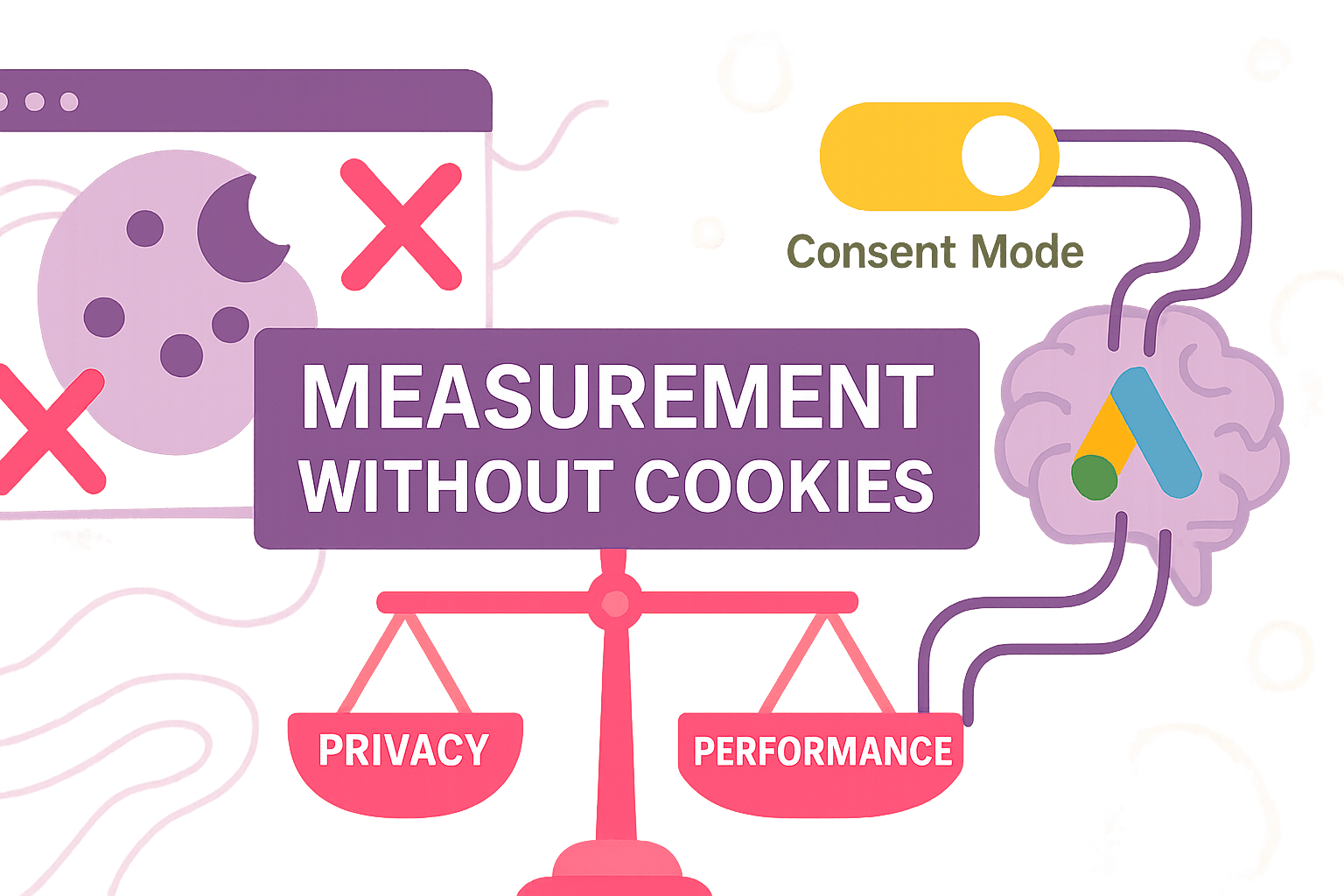
Consent Mode allows Google Ads to adjust tracking based on user consent choices.
When users do not give full consent:
- Google still receives limited signals
- Conversions are modeled instead of tracked
- Campaign performance remains measurable
This helps businesses respect privacy while maintaining campaign insights.
When users do not give full consent:
- Google still receives limited signals
- Conversions are modeled instead of tracked
- Campaign performance remains measurable
This helps businesses respect privacy while maintaining campaign insights.
Why CRM Integrations Matter More Than Ever
CRM integration connects your business data with Google Ads.
Benefits include:
- Smarter audience targeting
- Better lead quality optimization
- Improved conversion accuracy
- Stronger remarketing performance
Many businesses featured on Brandingbeez use CRM-connected ad strategies to improve results while staying privacy-compliant.
Benefits include:
- Smarter audience targeting
- Better lead quality optimization
- Improved conversion accuracy
- Stronger remarketing performance
Many businesses featured on Brandingbeez use CRM-connected ad strategies to improve results while staying privacy-compliant.

First-Party Data Improves Campaign Performance
When used correctly, first-party data leads to:
- Lower cost per acquisition
- Higher conversion rates
- Better audience matching
- More stable performance over time
It shifts campaigns from guesswork to data-driven decision-making. [View our proven results]
- Lower cost per acquisition
- Higher conversion rates
- Better audience matching
- More stable performance over time
It shifts campaigns from guesswork to data-driven decision-making. [View our proven results]
How Small Businesses Can Start Using First-Party Data
You don’t need complex systems to begin.
Start with:
- Clean website forms
- Clear consent banners
- Basic CRM or customer database
- Google Ads conversion tracking setup
Even simple data sources can significantly improve ad performance.
Start with:
- Clean website forms
- Clear consent banners
- Basic CRM or customer database
- Google Ads conversion tracking setup
Even simple data sources can significantly improve ad performance.
Trust and Transparency Build Better Results
Privacy and performance are no longer opposites.
Users trust brands that:
- Clearly explain data usage
- Respect consent choices
- Protect customer information
- Deliver relevant ads instead of intrusive ones
Trust strengthens long-term advertising results. [Meet our expert team]
Users trust brands that:
- Clearly explain data usage
- Respect consent choices
- Protect customer information
- Deliver relevant ads instead of intrusive ones
Trust strengthens long-term advertising results. [Meet our expert team]
The Future of Google Ads Is Data You Own
In 2026, successful advertisers understand that:
- First-party data is more reliable than cookies
- Consent-based tracking is the standard
- CRM integrations improve AI performance
- Data ownership equals competitive advantage
First-party data is not just a technical update. It is a strategic shift. [Start optimizing today]
- First-party data is more reliable than cookies
- Consent-based tracking is the standard
- CRM integrations improve AI performance
- Data ownership equals competitive advantage
First-party data is not just a technical update. It is a strategic shift. [Start optimizing today]
Frequently Asked Questions
What is first-party data in Google Ads?
It is data collected directly from your own customers, such as leads, purchases, and website interactions.
Are third-party cookies completely gone?
They are being phased out and are no longer reliable for long-term ad strategies.
What is Google Consent Mode?
Consent Mode adjusts tracking behavior based on user privacy choices while preserving performance insights. Get compliant Google Ads setup
Do small businesses need CRM integration?
It helps, but even basic customer data can improve ad targeting and results.
Is first-party data privacy-safe?
Yes, when collected with clear consent and used responsibly.
Will Google Ads still work without cookies?
Yes. Google Ads now relies on first-party data and AI-based modeling.
Ready to Get Started?
Contact our expert team to discuss how we can help grow your business with proven digital marketing strategies.